
Harmony in the Hospital: 5 Surprising Truths About the Barbershop Music Medics
Harmony leads the way for folks in need of joy in troubling moments.
The Unexpected Sound of Harmony
Imagine the quiet, sterile corridors of a hospital. Now, picture that scene interrupted by an unexpected sound: the rich, resonant sound of live, four-part harmony. This is the reality that the Barbershop Harmony Society's "Music Medics" program brings to some of the most challenging environments.
At its core, Music Medics is a volunteer initiative where singing groups perform in settings like children's hospitals, veteran facilities, and senior centers. It’s an idea that immediately sounds heartwarming, a simple act of kindness through song. But the mechanics, impact, and even the challenges of this program are far more complex and fascinating than most people realize. Here are five surprising truths about the medics who prescribe harmony.
1. It's Not Just a Singalong—It's a Highly Professional Volunteer Operation
To walk into a pediatric oncology ward, you need more than a good voice; you need the trust of doctors, nurses, and anxious parents. The Music Medics program earns that trust through a level of professionalism that might surprise you, designed to integrate seamlessly and safely into professional healthcare settings. This includes several critical elements:
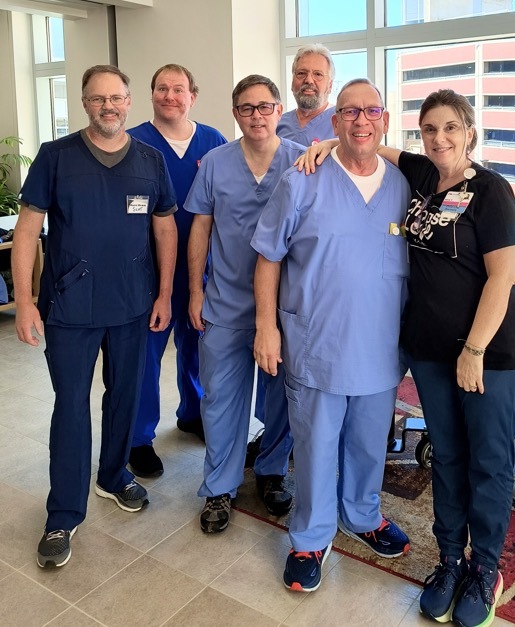
A Professional Aesthetic: Volunteers wear "professionally branded scrubs," a deliberate choice that visually identifies them as part of the facility's extended care team. This simple uniform helps build immediate trust with staff, patients, and families.
Strict Safety Protocols: Gaining access to vulnerable patient populations requires meeting rigorous standards. Volunteers must undergo mandatory checks ensuring they pose no risk to the people they serve.
High-Level Organizational Strategy: The program is backed by a robust institutional framework. A major alignment between the Barbershop Harmony Society (BHS) and Harmony Foundation International (HFI), effective January 1, 2026, created a "unified framework" for the entire organization. This is a fundamental move as it ensures philanthropy and mission delivery are directly accountable to the BHS and guaranteeing accountably into programs like the Music Medics.
This level of professionalism isn't just for show. It's the essential foundation that allows the program to earn the trust of healthcare administrators, operate safely in sensitive environments, and scale its model effectively across dozens of cities.
2. The Harmony is a Science: The Unique Power of a Ringing Chord
The success of the Music Medics isn't accidental or based on simple nostalgia; it's rooted in the unique barbershop harmony of the music itself. This creates a powerful effect on listeners.
The "ringing" sound produced by these perfectly tuned chords is a resonant sound that can be physically felt. This physical sensation is what makes the music uniquely effective for non-verbal patients or those with conditions like autism, where typical auditory input can be overwhelming, but a resonant vibration is calming and communicative. The music provides tangible "stress relief and mental wellness benefits" by creating a welcome distraction from pain. The program even uses specific songs strategically. "The Name Song," for example, is personalized for each patient and acts to break through to the withdrawal of a stoic child or a disengaged senior.
While the effects are clearly therapeutic, the program’s leaders are adamant about one thing: this is not a substitute for clinical therapy. Their true mission is simpler and, perhaps, more profound:
...the primary value of the service is the human connection facilitated by four-part harmony rather than clinical music therapy.
3. Grassroots Innovation is Driving Growth in Unexpected Ways
While the Barbershop Harmony Society provides a national framework, the Music Medics program thrives on local innovation. It is not a rigid, top-down model. Instead, chapters adapt the program to meet the unique needs of their own communities, leading to inspiring new approaches.
The "Very Large Quartet" (VLQ): In Portland, Maine, and Nashua, New Hampshire, chapters have formed groups of 8-11 singers called "Very Large Quartets." This model serves a brilliant purpose: public relations. The Portland VLQ performs at regional barbershop competitions, not to win trophies, but to raise awareness. At one competition, their performance earned a standing ovation and high praise from judges for its inspirational value, beautifully illustrating that the program's impact transcends technical scores.
Pivoting to Senior Care: When the Nashua chapter realized there was no local children's hospital, they didn't abandon the idea. Instead, they created the "Sooooth'n Seniors" VLQ, an initiative sparked by one of their members whose wife of 57 years is a resident in a memory care facility. After seeing the joy a few songs brought to her and other residents, he was inspired to focus the chapter's efforts on assisted living centers, proving that the mission to heal with harmony is universal.
This local adaptability, often born from a deep personal connection to the mission, demonstrates the program's remarkable resilience and strong community roots.
4. The Smallest Moments Deliver the Biggest Impact
For all the strategy and science, the true success of the Music Medics program is measured in quiet, individual moments of profound human connection. The data that matters most is in the powerful emotional responses witnessed at the bedside.
Step inside a visit with the Nashville Music Medics and you’ll see it firsthand. As they begin to sing in a pediatric ward, a nine-month-old patient who had been still begins giggling on her mother's lap. A few doors down, a withdrawn teenage patient and her father, who had been hesitant at first, slowly warm to the music, their faces softening with each chord. These are the moments that define the work.
The same scenes unfold in hospitals across the country. In Portland, medics describe the "happy tears" of mothers watching their autistic children show rare and beautiful signs of engagement. They see the "brilliant smiles" of teenage patients who light up with recognition at the sound of a familiar Disney melody
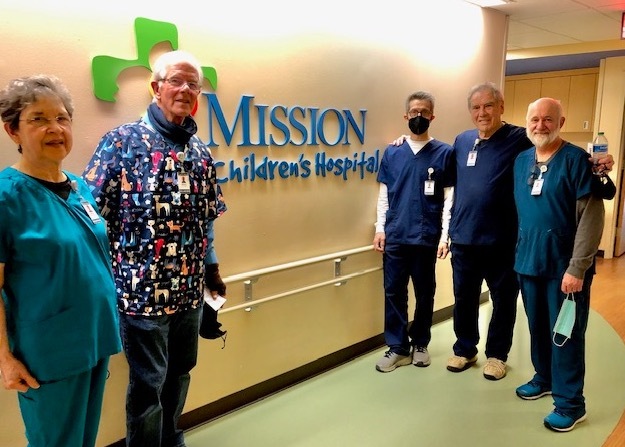
In North Carolina local opportunities abound as the Asheville Music Medics continue their 3 year program of singing at the Mission Children’s Hospital with 3 visits a month with two quartets.
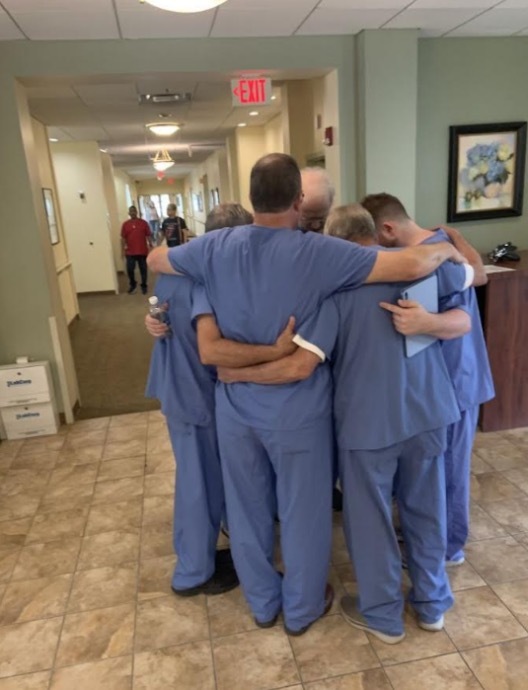
The experience is just as profound for the performers. The Nashville group has a custom of gathering in a prayer circle after visiting a hospice, a ritual that underscores the deep sense of service and spiritual fulfillment the volunteers gain from their work. These small, intimate moments are the ultimate validation of the program's mission.
5. The Program's Greatest Challenge is Surprisingly Simple: Silence
Despite its strong organizational backing, proven impact, and passionate volunteers, the Music Medics program faces significant challenges. With more than 65 existing programs around the country one of the biggest issues is communication among the Music Medics program participants.
It is noted that without chapters sharing their successes, challenges, and activities, the collective knowledge of the network is lost, and momentum could fade.
There is a powerful irony in this challenge. A program built on the power of the human voice and the harmony created when people come together is threatened by silence. It’s a relatable struggle for any large organization and a poignant reminder that connection, whether through song or simple communication, is something that must be actively nurtured.
Plans are in place to create new ways in which interested parties can now go to the BHS Music Medics website at https://www.barbershop.org There you can click on https://www.barbershop.org/join/music-medics for a short introduction of the program and obtain instructions as to how to start up a program in your local area.
Conclusion: The Enduring Prescription of Song
The Music Medics program is far more than a simple community outreach effort. It is a deeply human initiative that leverages the unique power of harmony to bring comfort and connection to those who need it most.
Music Medics is a testament to the power of a well-organized community service mission, but perhaps the most telling insight comes from the volunteers themselves. As the Nashua chapter discovered, while their mission is to soothe others with song, they are getting just as much out of it as their audience.
It proves that in an age of digital distance, the oldest instrument we have—the human voice, raised in harmony—may still be the most powerful prescription of all.
Submitted by Wayne Jackson and Glenn Walton, BHS Music Medics Coordinators